

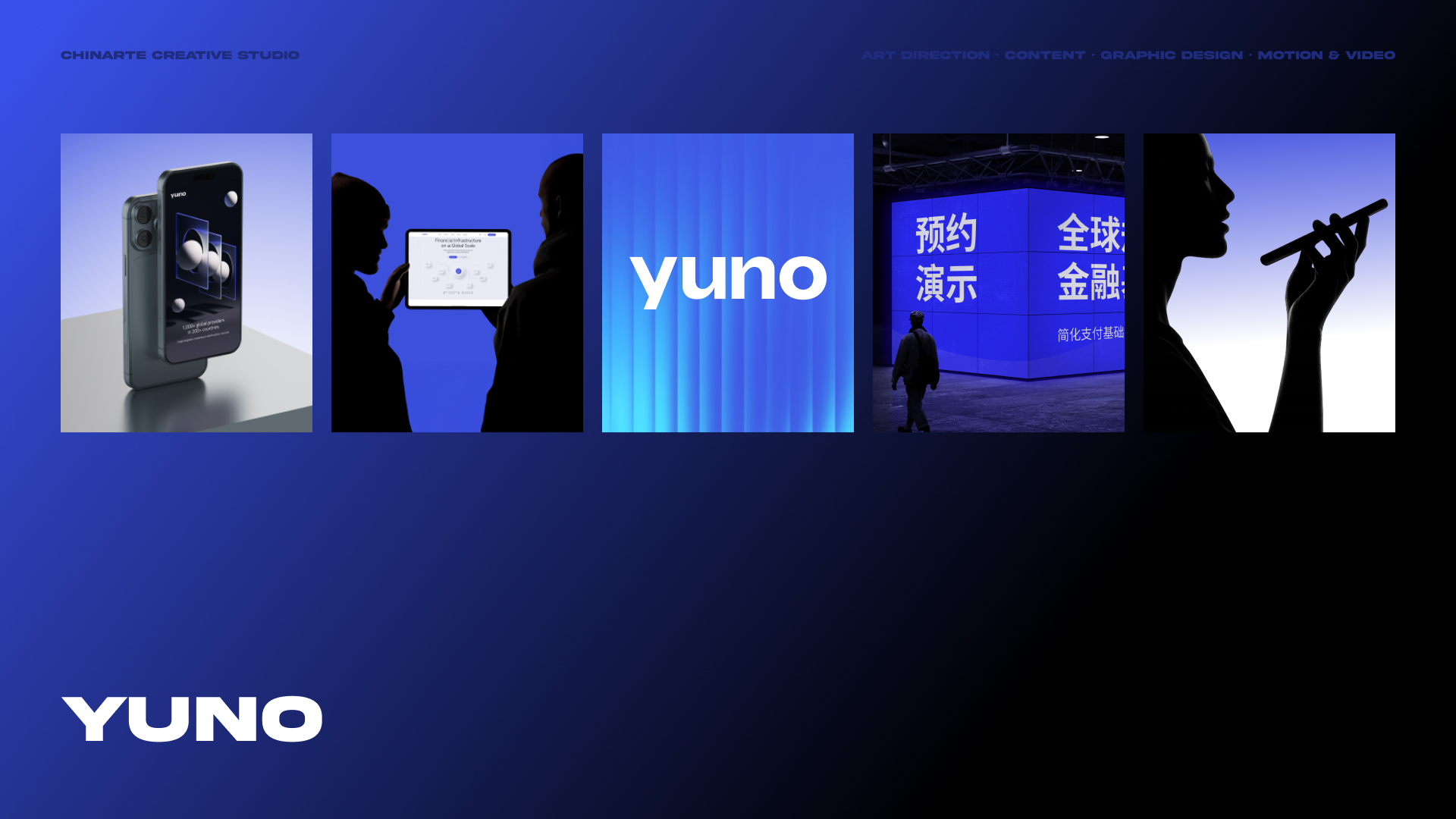
Yuno is a B2B payment orchestration platform operating across 50+ countries, trusted by enterprise clients including McDonald’s, Rappi, and Adidas. When I joined the Dublin team, the company was preparing for Series B. The visual identity existed, but it wasn’t working: inconsistent across platforms, the brand book was outdated, and the sales team had no production-ready materials to work with.
I was the only designer in the marketing department. Two other designers handled the product side. Everything else was mine to define and build.
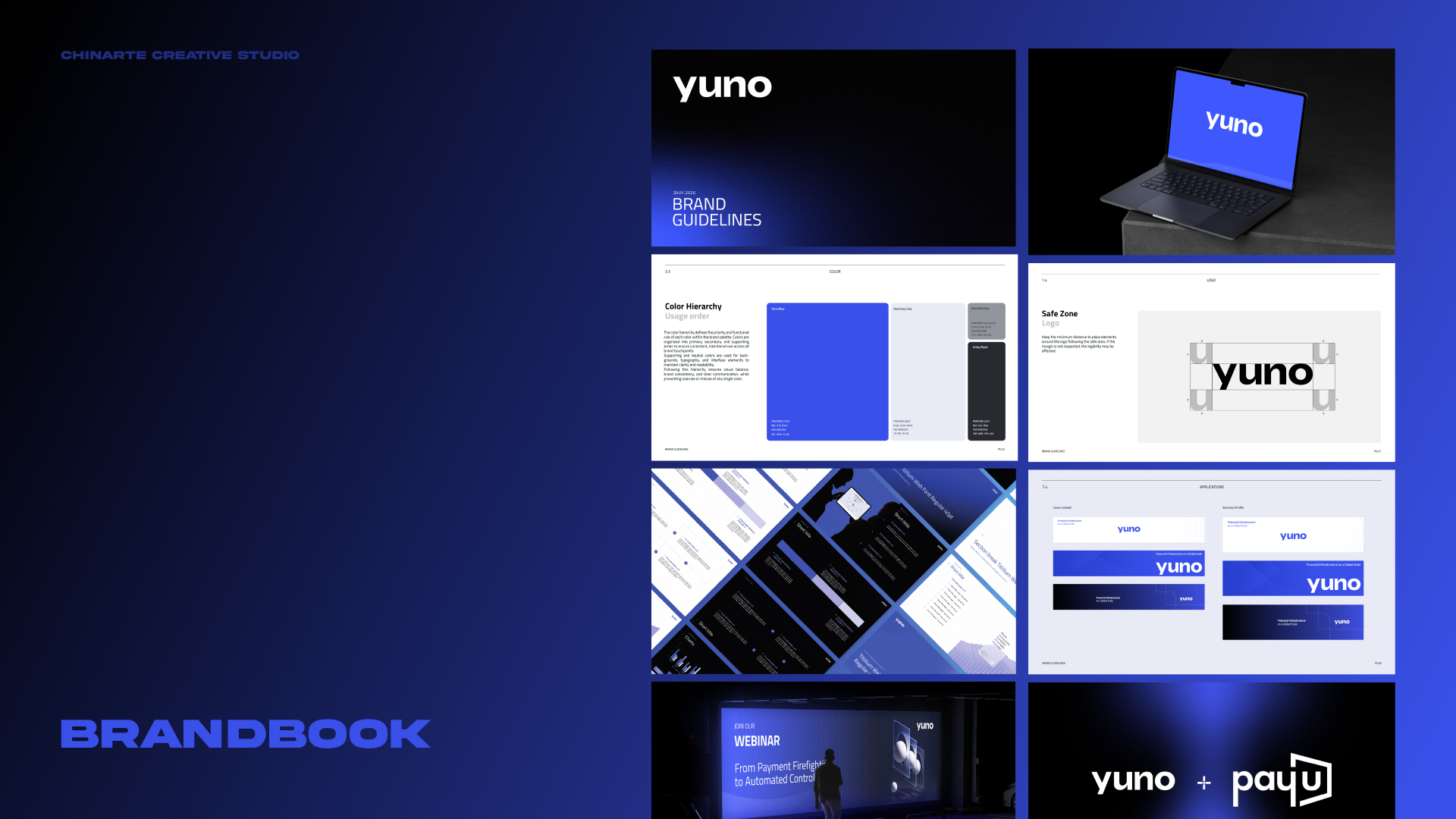
Brand Audit & System Update
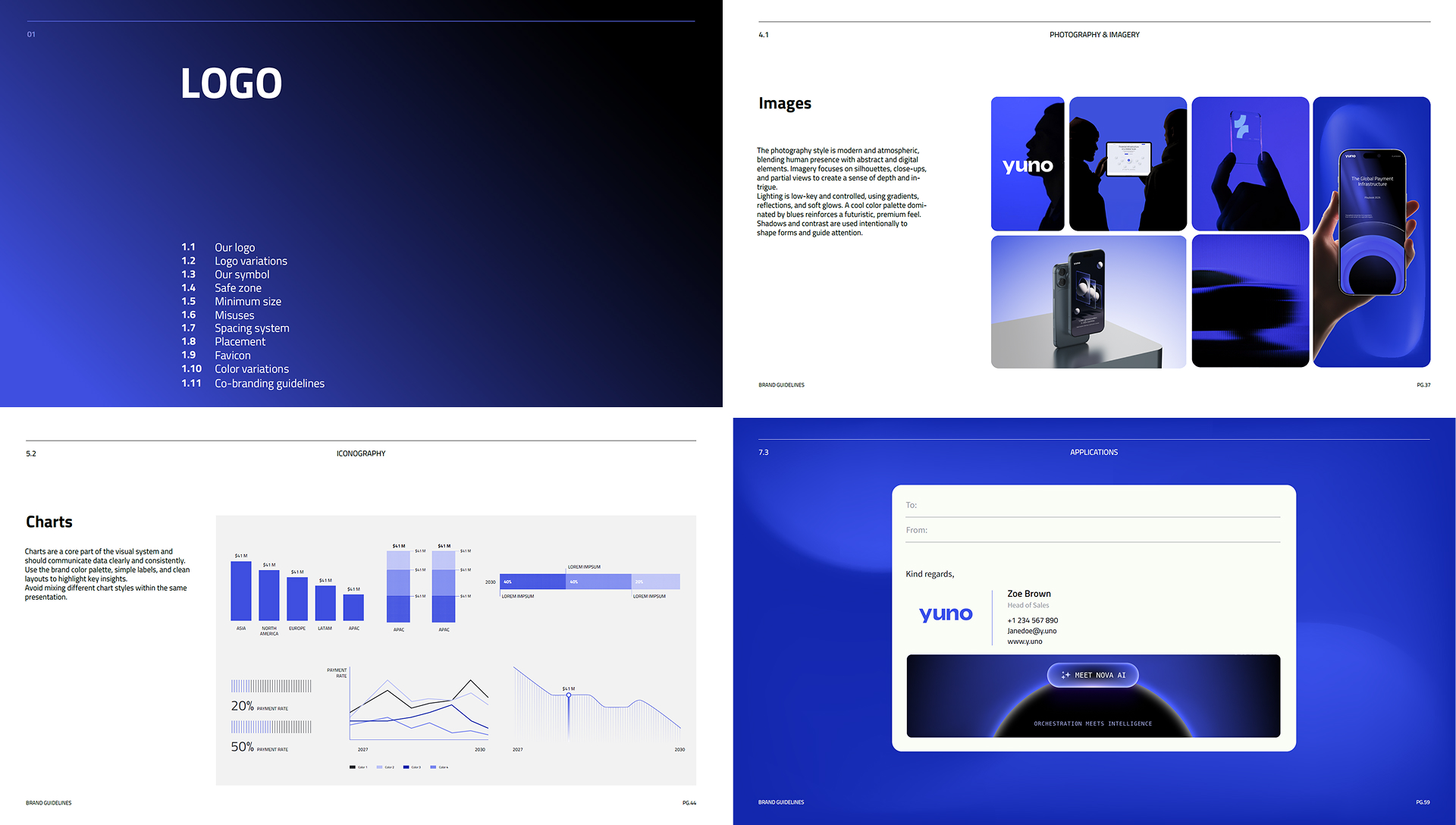
Full audit of every brand touchpoint: decks, social assets, email templates, event graphics, web content. Inconsistencies were structural, not cosmetic. I rebuilt the brand book from scratch: usage rules, documented exceptions, and a Figma component library the full team could apply independently.
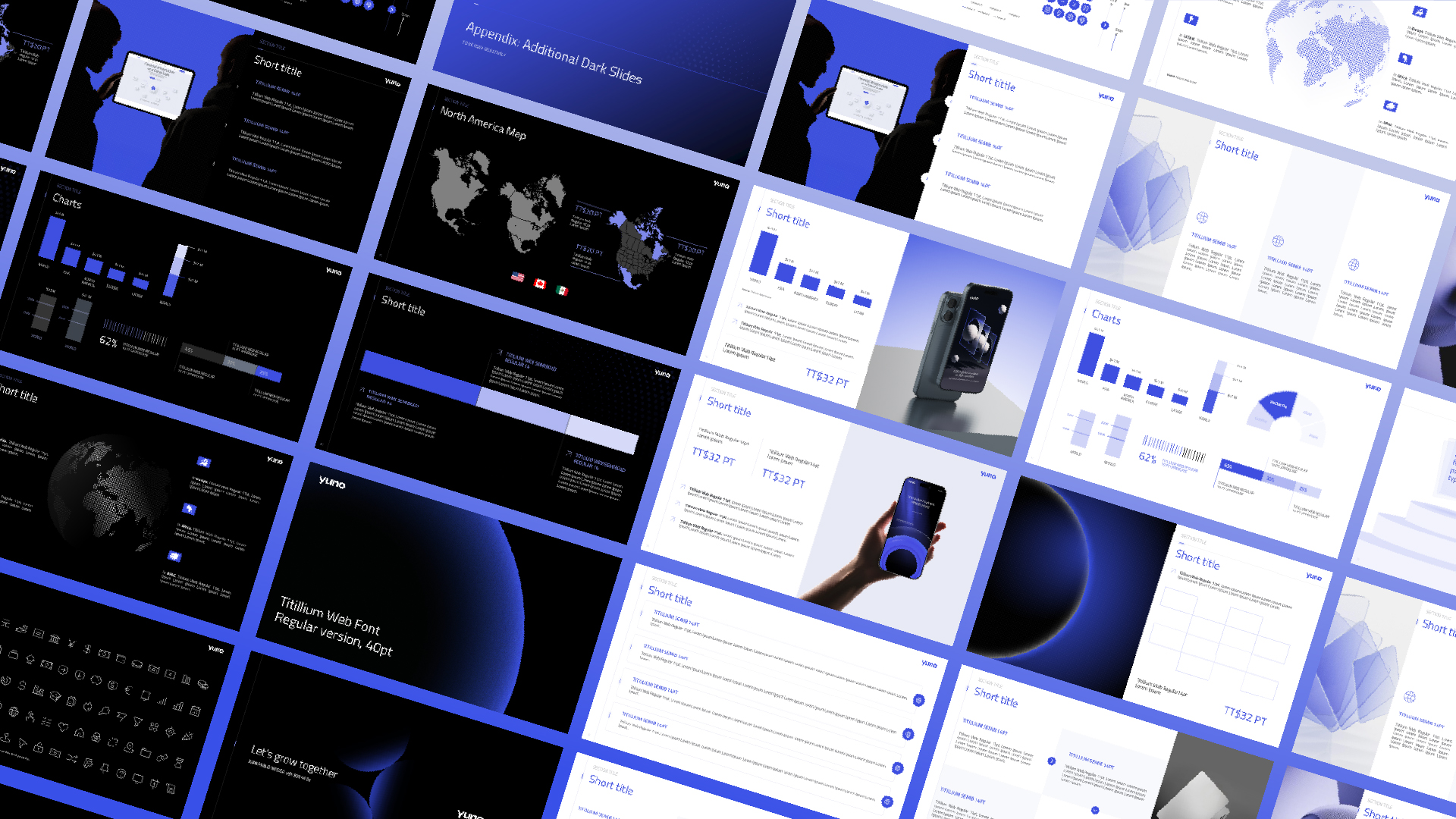
Sales Deck Automation
The sales team was adapting a generic deck manually for every client meeting. I redesigned the master presentation, then built a web interface using Claude Code: a rep enters client name, meeting stage, and a brief summary, and receives a fully branded PowerPoint deck by email. No Figma. No design requests. No waiting.

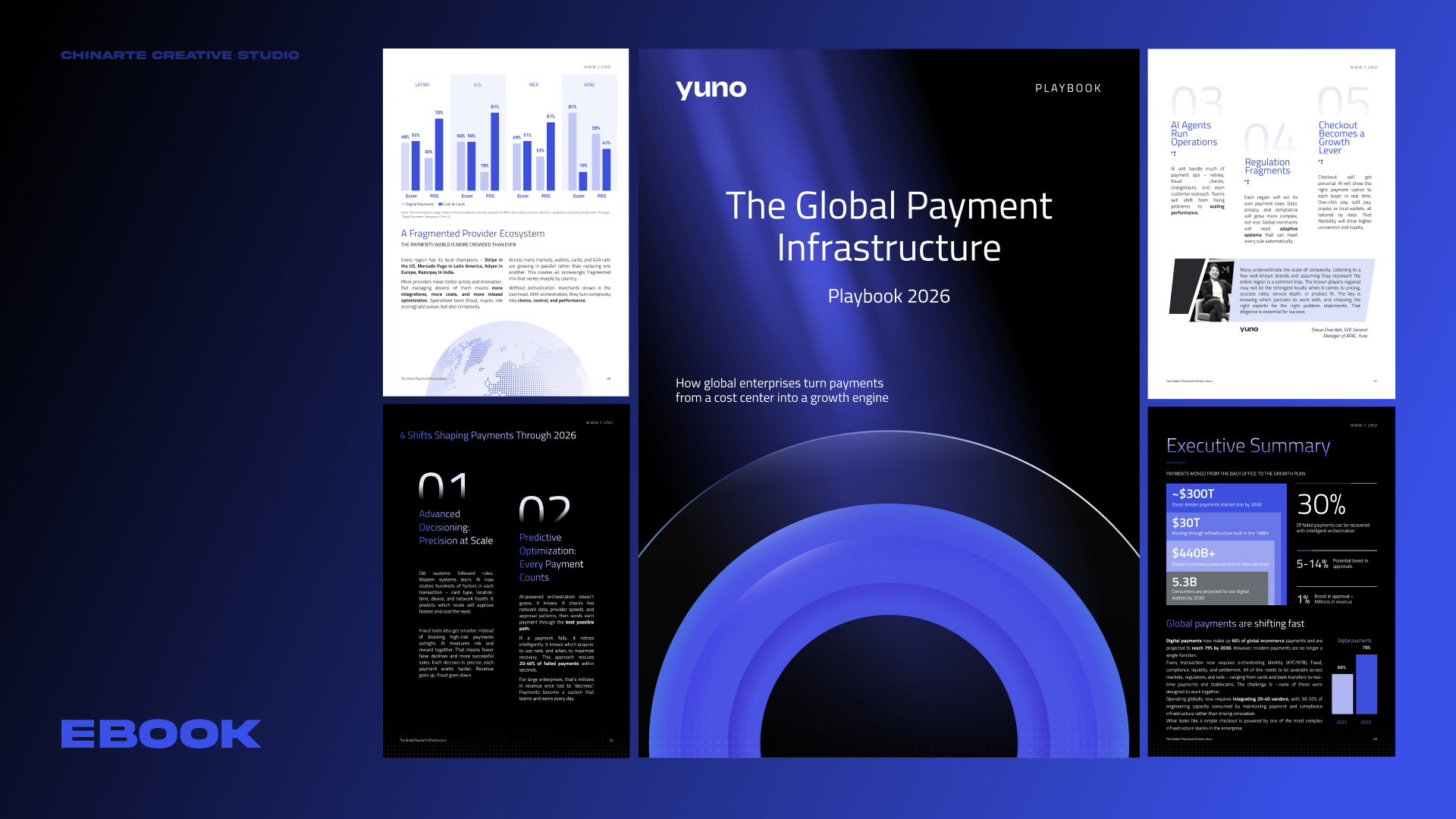
B2B Ebook
Lead generation content piece for a B2B audience. Original concept was text and data-heavy. I rebuilt it as an editorial piece carried by infographics, data visualisation, and graphic hierarchy. A document that communicates authority without demanding effort from the reader.
Ebook Ad Campaign
Full promotional campaign across LinkedIn and web placements after the ebook launch. Same visual system adapted across formats: consistent enough to build recognition, varied enough to perform across placements.
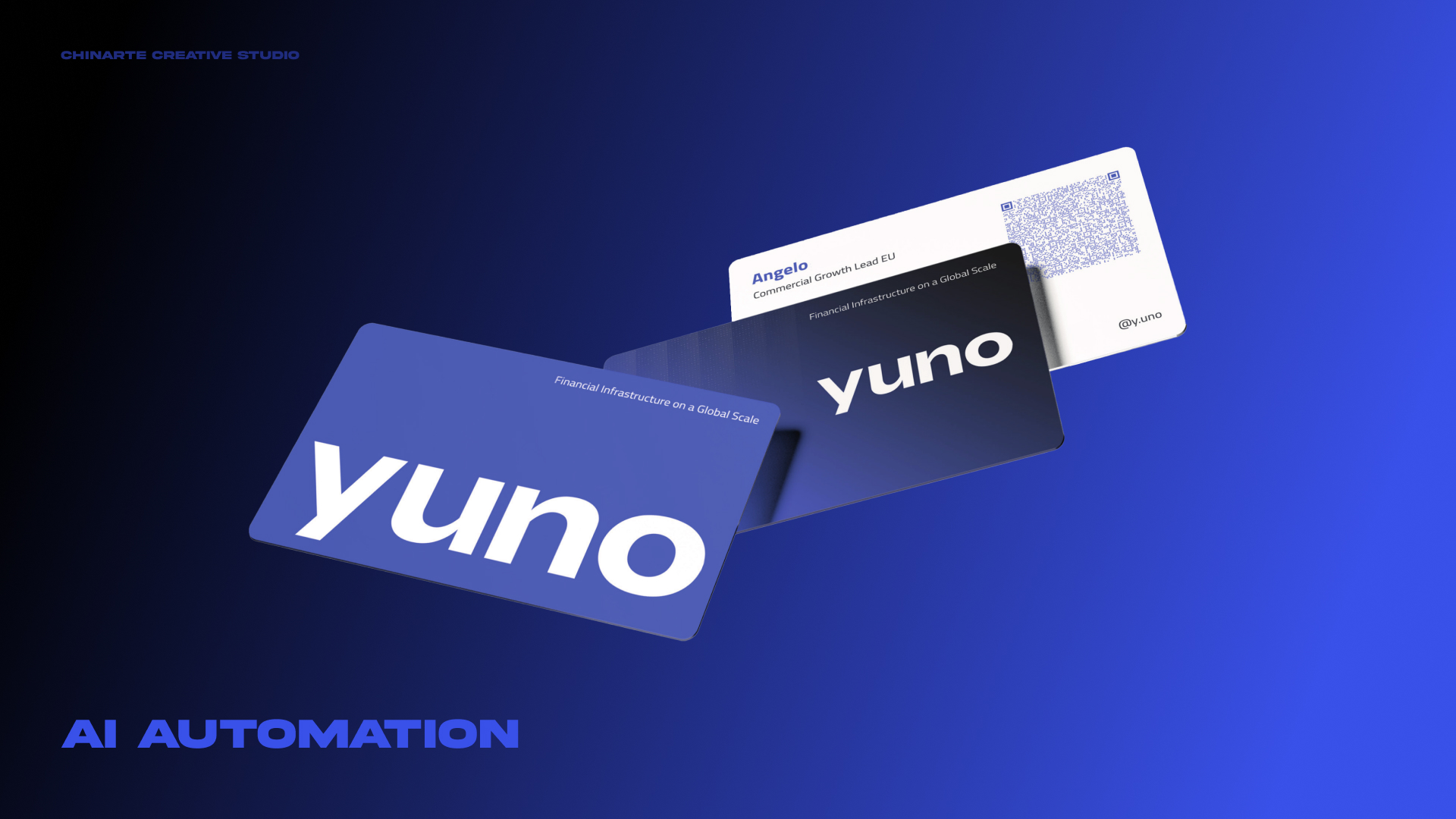
Business Card Automation
Self-service landing page built in Claude Code: any employee enters their details and receives a fully designed on-brand business card by email within minutes. From a 2-day turnaround per card to under 2 minutes. No designer in the loop.
Event Graphics & Social Assets
Continuous production of event graphics, LinkedIn visuals, and multi-format social assets. Primarily in Figma with Illustrator for complex artwork. Each piece adapted to context within the same brand system.
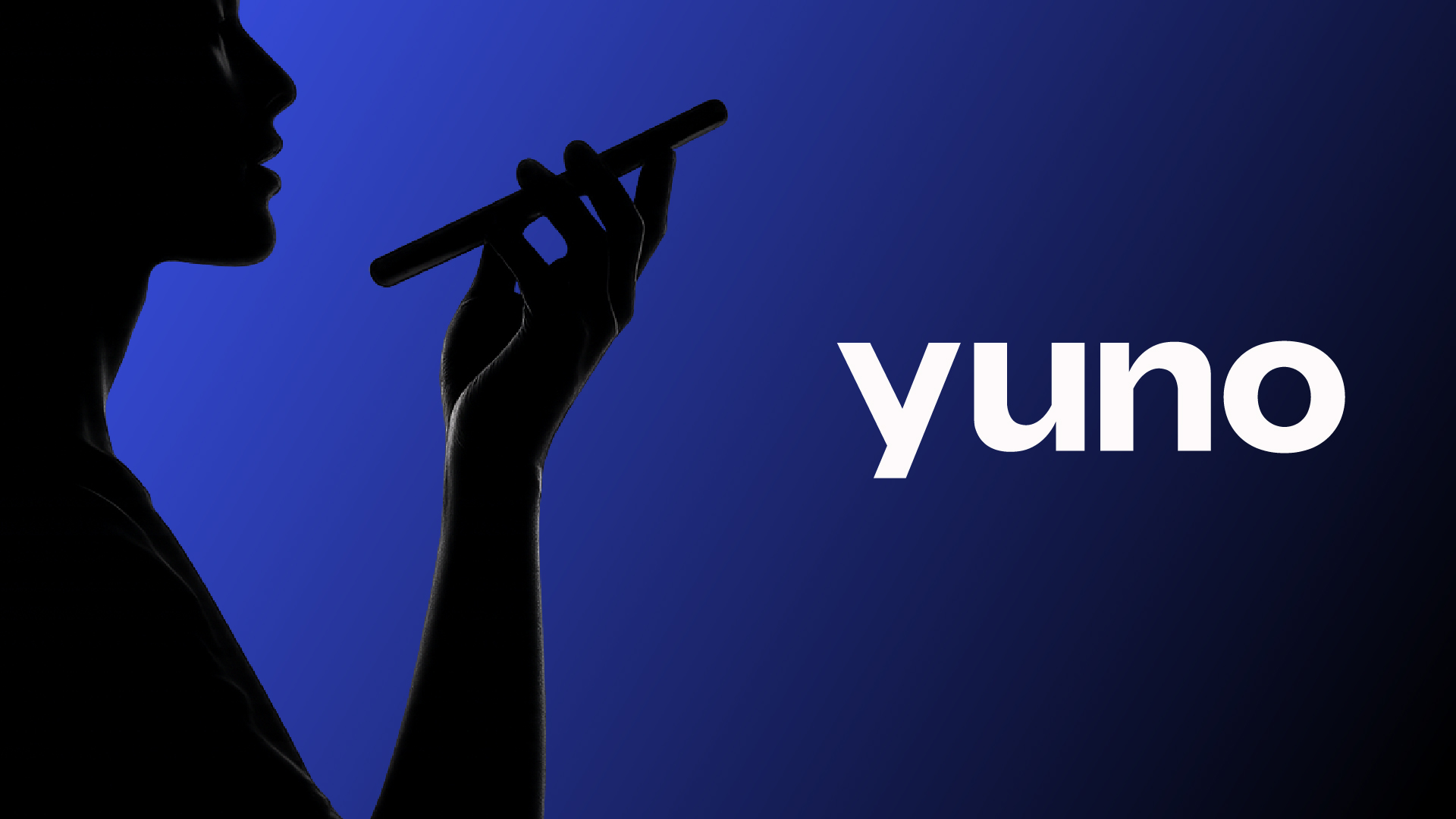
B2B Motion Video
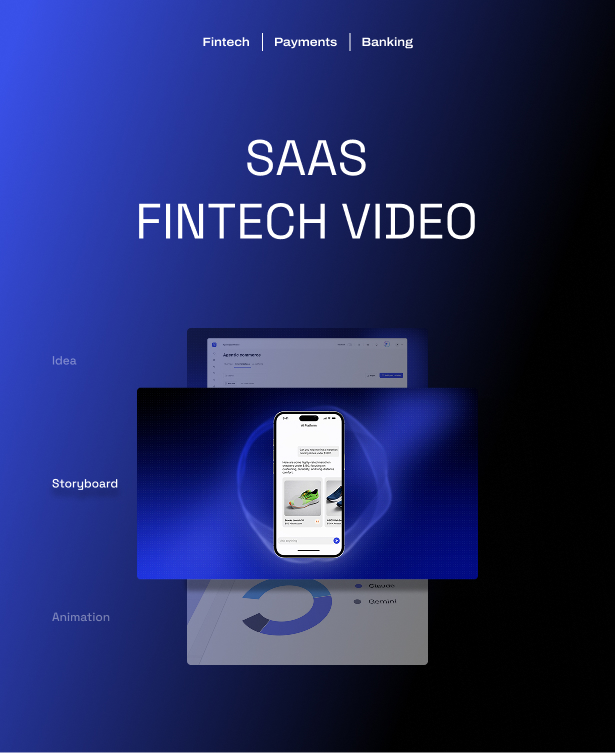
Motion graphics video explaining the Yuno platform, produced entirely in After Effects. Designed for B2B sales contexts: clear, technically confident, purposeful in every transition.
What This Project Demonstrates
Four months. One designer. Seven deliverables spanning brand strategy, editorial design, motion graphics, and two automation tools built in code. The through-line is not the visual work — it is identifying where design creates friction, and building systems that remove it permanently.
If that is the kind of designer you are looking for, get in touch.


Let's talk?


Dublin, Ireland
+353 83 859 5437
Chin.arte.lucia@gmail.com
Pages
Projects
Follow me


© This is a creation of Lucia López-Viejo All rights reserved